



MAIN PRODUCTSHigh-Quality Wild Sockeye Salmon from the Kamchatka Peninsula, Russia
Most of the sockeye salmon we eat are caught off the coasts of Russia, Alaska and Canada.
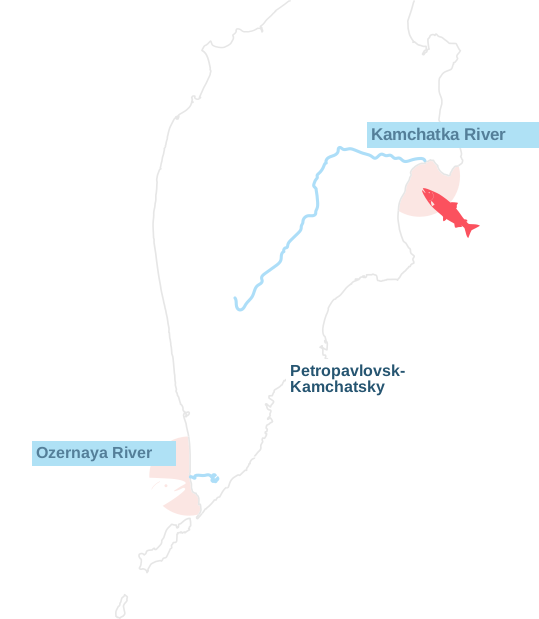
Sockeye salmon in Asia inhabit two river basins on the Kamchatka Peninsula in northeastern Russia: the Kamchatka River on the east coast and the Ozernaya River on the southwest coast. The Ozernaya population is unusual in being concentrated in the Kuril Lake basin, which has a relatively small area of spawning habitat.
The peak season runs from July to September. Wild sockeye salmon have a rich, vivid red color, firm flesh, a moderate fat content and a strong umami flavor.
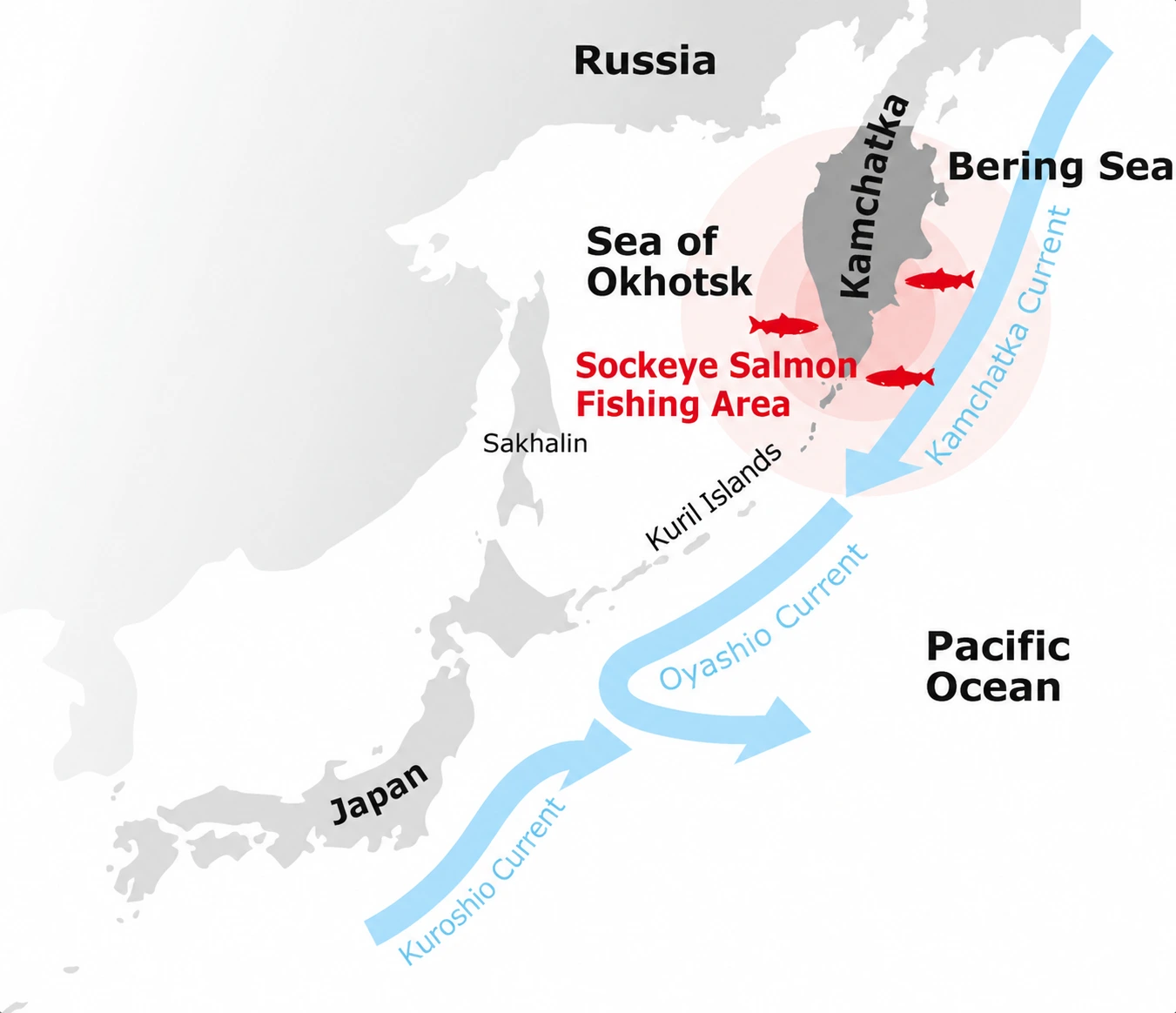
SALMONICA GROUP operates widely along the western coast of the Kamchatka Peninsula in the Russian Far East, an area with some of the world’s richest and cleanest fishing grounds.
QUALITYFishing Grounds and Processing Quality
Within hours of being caught, sockeye salmon are processed and frozen in factories equipped with the latest technology and modern production facilities, ensuring excellent freshness, natural flavor and high nutritional value.
SALMONICA GROUP maintains strict quality control throughout all production processes, drawing on the expertise of its highly skilled employees and the skills they pass on.
Seafood certified to MSC’s environmental standard for fishing. msc.org
TOPICSEcology of Sockeye Salmon


Sockeye salmon (scientific name: Oncorhynchus nerka) belong to the salmon family. From the egg to the juvenile stage, they spend two to three years in freshwater rivers and lakes before heading out to sea.
Young sockeye salmon migrate through the cold waters of the North Pacific Ocean, the Bering Sea and the Sea of Okhotsk, north of 40°N. They feed on natural prey such as krill, squid and small fish, growing over the next few years into adults approximately 60–80 cm long and weighing 3–7 kg.
Once mature, sockeye salmon return to the rivers and lakes where they were born to spawn, completing a life cycle of about five years.
During the spawning season, their scales become embedded in their skin, their bodies turn dark red, and their heads take on a greenish color. (Lake-resident and landlocked forms are known as himemasu in Japan.)
Wild Sockeye Salmon: A Delicious, Nutrient-Rich Superfood
Low in fat and high in protein, wild sockeye salmon is known to contain a variety of nutrients, including astaxanthin, omega-3 fatty acids (DHA and EPA), vitamins B12 and D, calcium, and marine collagen. With its rich, natural flavor, it makes a welcome addition to everyday meals.

